
Why ClickHouse JOINs Are Slow (and Why Denormalizing Isn't the Fix)
Your ClickHouse JOIN is slow, and it's probably not your SQL. A columnar engine is built to scan one big table fast; a join loads the right-hand table into memory and, on a cluster, reshuffles keys across nodes. The standard fix is to denormalize into one wide table, and then every customer change has to be rewritten across every row it touched, a pipeline has to keep the copy in sync, and every new question needs a new wide table and a backfill. This explainer covers why columnar engines struggle with joins, the denormalization tax, and hybrid tables that keep row-oriented point lookups and columnar scans together so the model stays normalized.
Overview
A short explainer on slow ClickHouse JOINs: why the storage layout makes joins expensive, what denormalization really costs, and how hybrid row and column storage keeps joins first-class.
Topics Covered
- •Why columnar engines struggle with joins: memory and reshuffling
- •The standard workaround: one wide denormalized table
- •The denormalization tax: freshness, maintenance and rigidity
- •Why columnar-only storage is the real problem
- •Hybrid tables: row-oriented point lookups and columnar scans together
Key Takeaways
- ✓A slow join in a columnar engine usually comes from the storage layout, not the query
- ✓Denormalizing trades join cost for rewrite cost, sync pipelines and backfills
- ✓Every new question against a wide table tends to need another wide table
- ✓Keeping point lookups and scans in one system lets the data model stay normalized
More Product Demos
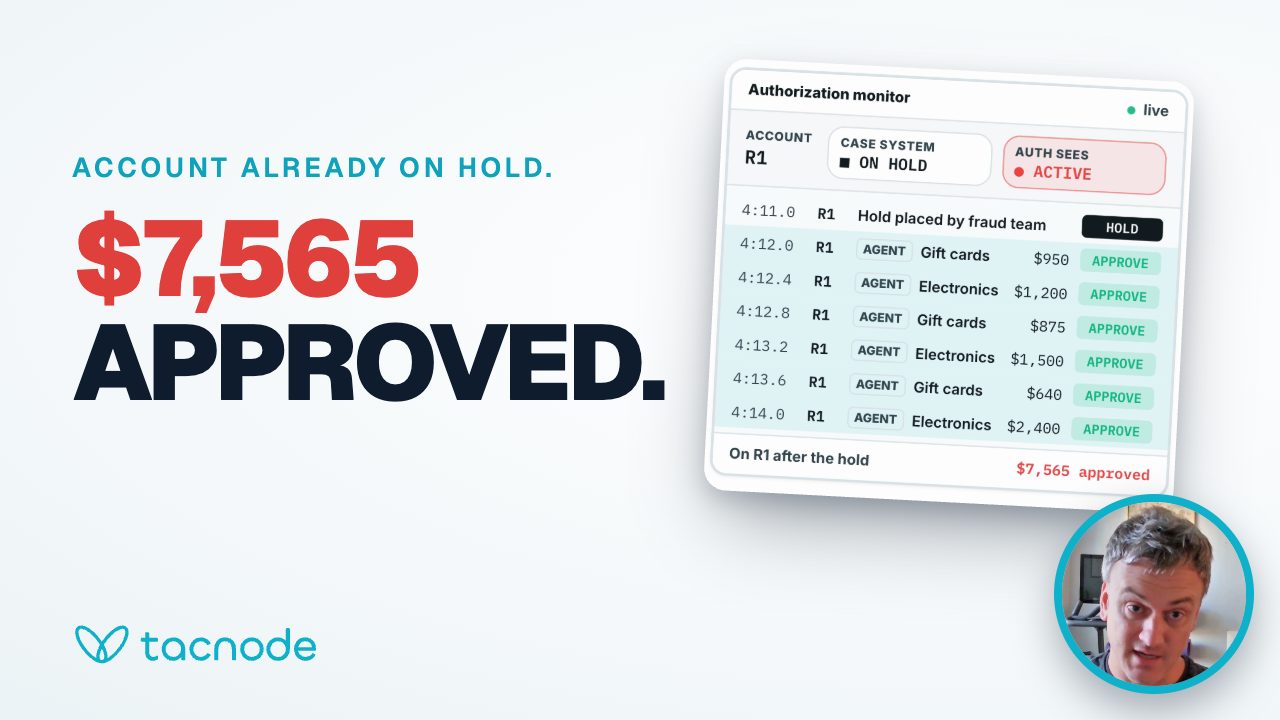
Card Fraud: Six Purchases Approved on an Account Already on Hold
A 4-minute walkthrough of a fraud hold placed in time that reaches card authorization eight seconds late, and the same hold with current context.
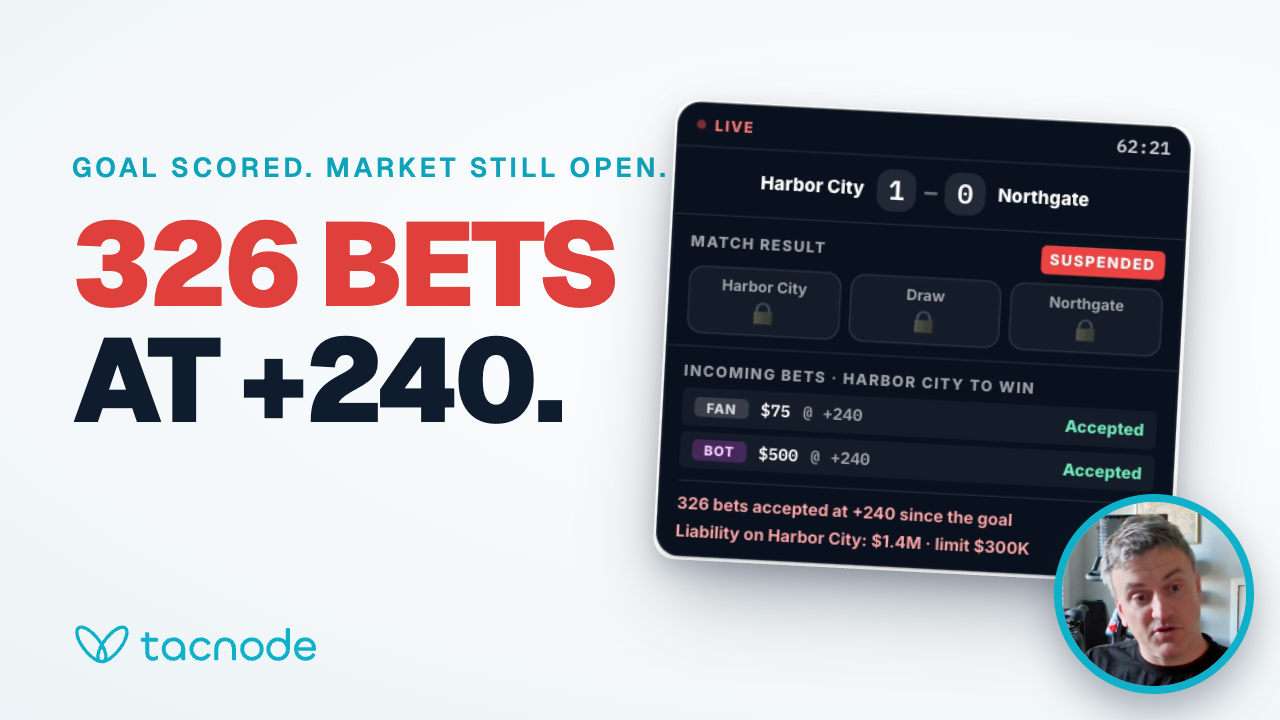
Past-Posting in Live Betting: Why Sportsbooks Keep Taking Bets After a Goal
A 4-minute walkthrough of a sportsbook that keeps taking bets for seven seconds after a goal, and the same goal with current context.
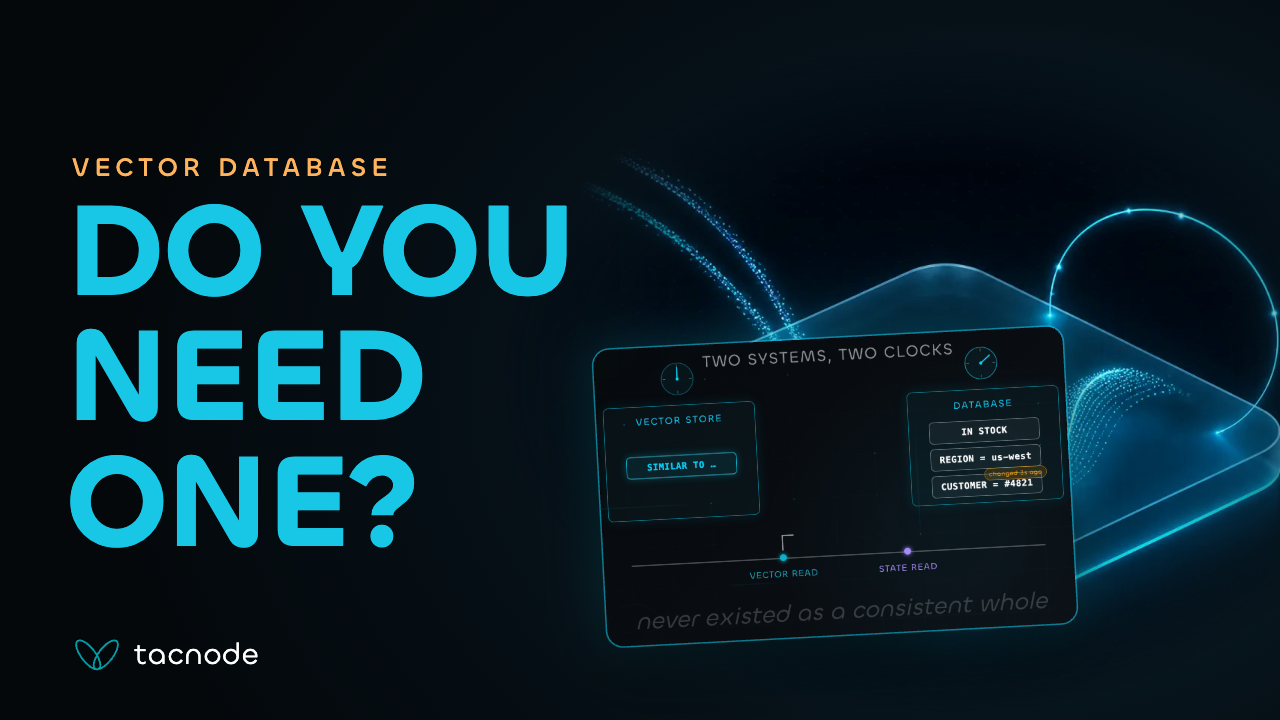
Do You Actually Need a Separate Vector Database?
A 3-minute explainer on when a separate vector database earns its place, and what changes when similarity search has to agree with live filters and state.
Ready to get started?
Book a demo to see how Tacnode can power your real-time data infrastructure.