
Blog
Insights on AI infrastructure, Decision Coherence, and building systems for the machine-driven era.
Latest Articles
110 articles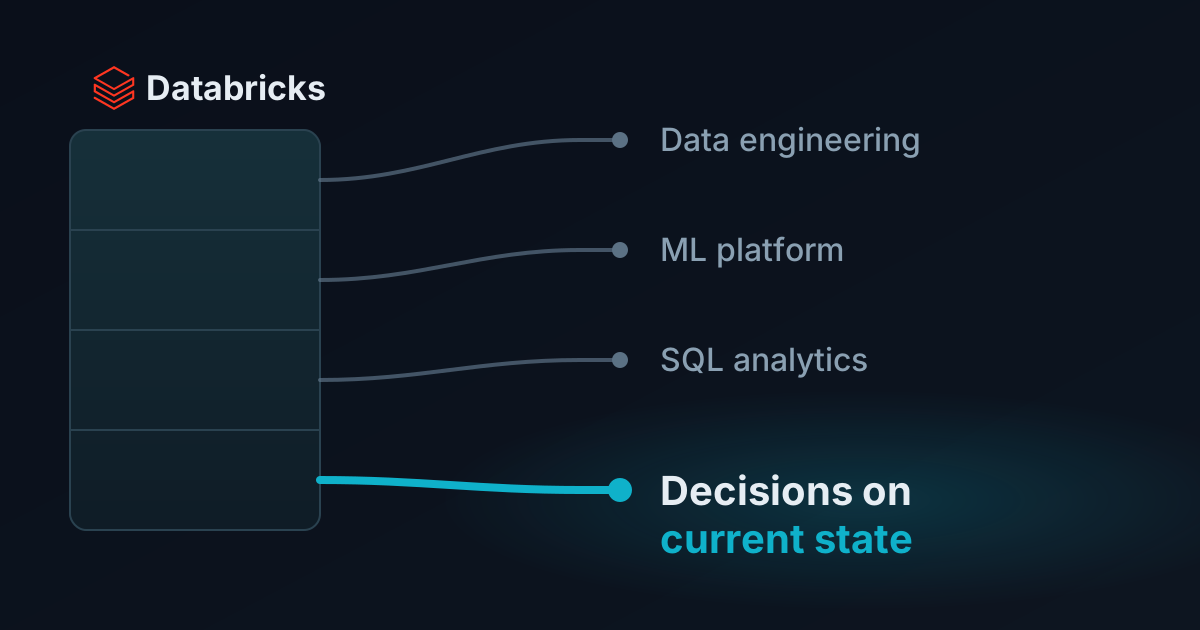
Databricks Competitors and Alternatives (2026): Ranked by Workload
Databricks competitors depend on which job Databricks does for you. It does four: lakehouse data engineering, ML platform, SQL analytics, and, with Lakebase, serving applications. Each job has different competitors. Here are twelve Databricks alternatives, from Snowflake, BigQuery and Microsoft Fabric to SageMaker, ClickHouse and open-source Spark, sorted by the workload you actually run.
 Alex Kimball|Oct 1, 2026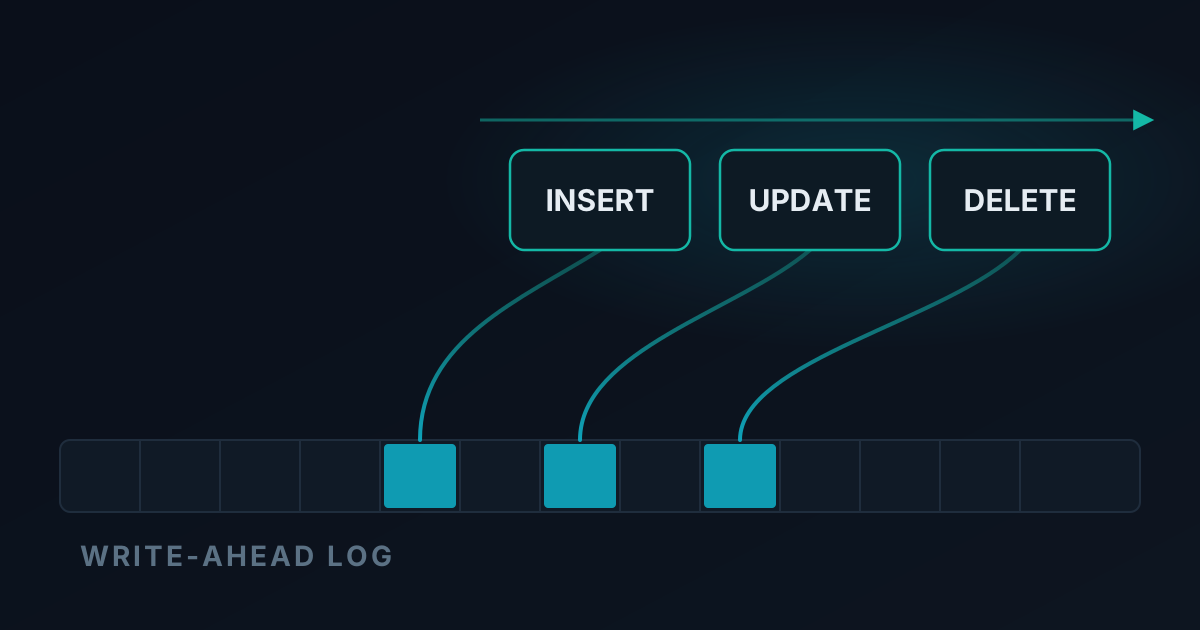
Postgres CDC: Logical Replication, Debezium, and Change Data Capture Options
Postgres CDC explained: how change data capture works in PostgreSQL, with a runnable example, trigger and polling approaches, logical decoding with replication slots and publications, how to enable it on self-hosted, RDS, Aurora, Cloud SQL, Azure and Supabase, the replication slot risks that take databases down, and how native replication, Debezium, Flink CDC and managed services compare.
 Haitao Wang|Sep 30, 2026
Jev Is Amazing. It’s Also a Data Problem.
TypeSafe AI’s Jev makes a structured AI decision fast and nearly free. That’s a big deal for anyone building automation, and a new load on the data layer underneath: more reads and writes, on data that changes faster.
Alex Kimball|Sep 29, 2026Kafka Alternatives (2026): Brokers, Managed Kafka, and When You Need Something Else
Kafka alternatives only make sense once you know what Kafka is doing for you: a durable event log, a simple work queue, a cloud-native stream, or a managed service you’d rather buy from someone other than Confluent. Here are the options in each group, the Confluent alternatives for managed Kafka, and the workload most lists miss: Kafka used to feed a decision that needs current context.
Alex Kimball|Sep 28, 2026Elasticsearch Alternatives (2026): Ranked by Workload
Elasticsearch runs four different jobs: log search, site search, vector search, and search inside live decisions. Each job has its own best alternative. Here are ten Elasticsearch alternatives, from OpenSearch and Grafana Loki to Typesense, pgvector and Vespa, sorted by the workload you’re actually running.
Alex Kimball|Sep 25, 2026MySQL Materialized Views: How to Emulate Them (and When to Stop)
MySQL Community and Enterprise Server have no CREATE MATERIALIZED VIEW. Here are four ways to build a MySQL materialized view anyway (scheduled rebuilds, trigger-maintained summary tables, incremental refresh from a changelog, and CDC into a system that maintains views for you), with runnable SQL and a table for picking the right one.
 Boyd Stowe|Sep 24, 2026
Ready to get started?
Book a demo to see how Tacnode can power your real-time data infrastructure.