
Do You Actually Need a Separate Vector Database?
Someone on your team says "we're going to need a vector database." For pure retrieval (RAG, document search, similar items), a vector column, an index and an operator in Postgres-compatible SQL handle it. The question that matters is what the query looks like around the vector part: similar items that are in stock, in this region, for this customer, using state that changed seconds ago. Split that across a vector store and your database and you get two systems on two clocks. This explainer walks through embeddings, the honest answer for retrieval, where the split breaks, and similarity search as a clause in a normal SQL query evaluated against one snapshot.
Overview
A short explainer on whether you need a separate vector database: what embeddings are, why retrieval alone rarely needs one, and what goes wrong when similarity search and live state sit in two systems.
Topics Covered
- •Embeddings in 20 seconds
- •The honest answer for pure retrieval
- •Two systems, two clocks: where a separate vector store breaks
- •Similarity search as a clause in a SQL query
- •Why filters, lookups and similarity should read one snapshot
Key Takeaways
- ✓For retrieval alone, a vector column and an index in SQL usually cover it
- ✓Real queries combine similarity with filters and state that changed seconds ago
- ✓A vector store and a database each answer as of a different moment, so the combined result never existed as a whole
- ✓Evaluating similarity, filters and lookups against one snapshot keeps the answer consistent
More Product Demos
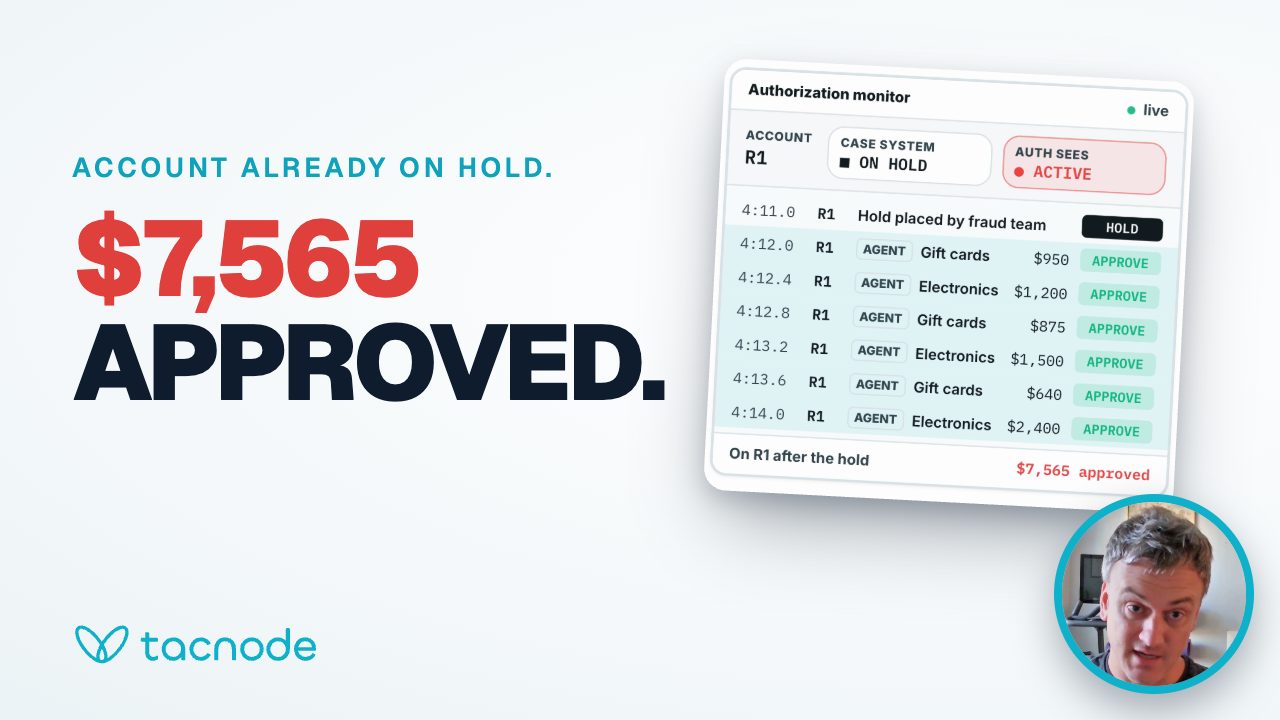
Card Fraud: Six Purchases Approved on an Account Already on Hold
A 4-minute walkthrough of a fraud hold placed in time that reaches card authorization eight seconds late, and the same hold with current context.
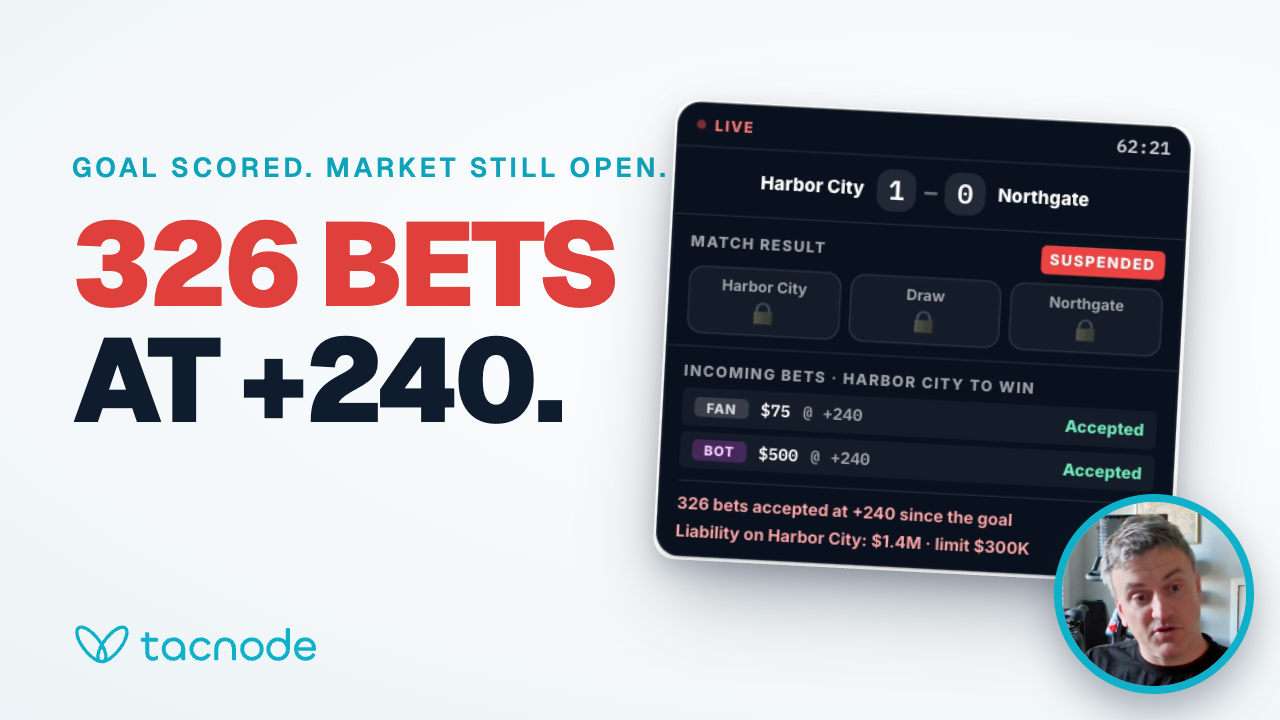
Past-Posting in Live Betting: Why Sportsbooks Keep Taking Bets After a Goal
A 4-minute walkthrough of a sportsbook that keeps taking bets for seven seconds after a goal, and the same goal with current context.
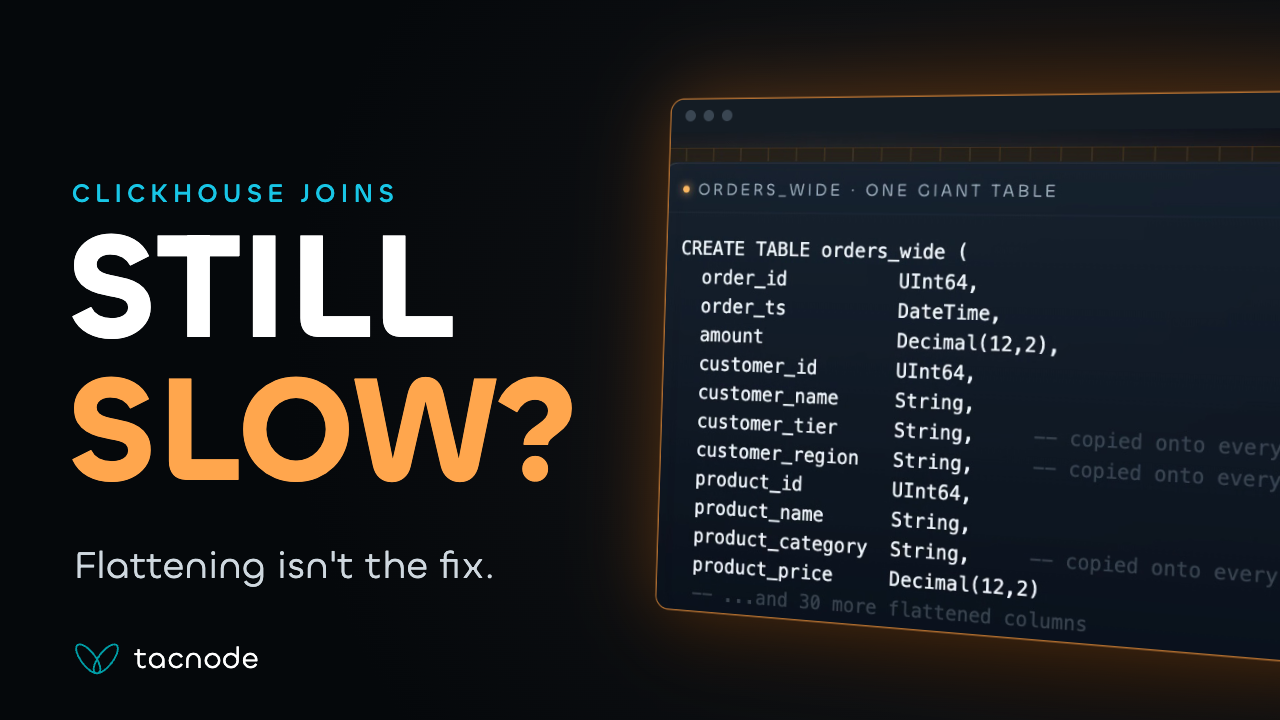
Why ClickHouse JOINs Are Slow (and Why Denormalizing Isn't the Fix)
A 4-minute explainer on why ClickHouse JOINs are slow, what denormalizing costs, and what it looks like when joins stay first-class.
Ready to get started?
Book a demo to see how Tacnode can power your real-time data infrastructure.