
False declines on newly issued virtual cards
A store card approved at checkout is declined on its first purchase, because the fraud check can’t yet tie it to the customer’s history.
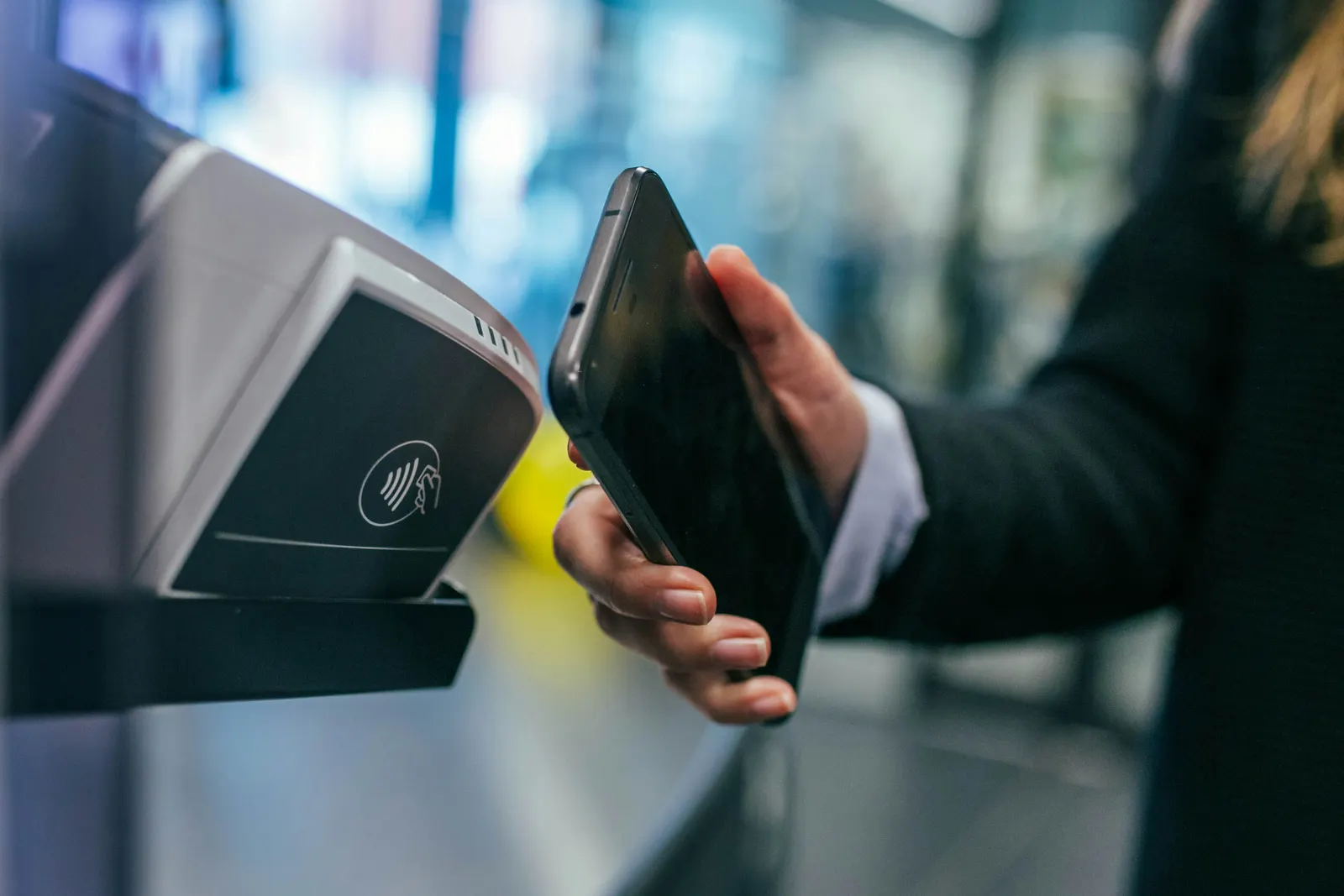
Anya accepts the store’s card at checkout.
- She’s buying a $500 TV from a store she has shopped at for 18 months.
- At checkout the store offers its card: a new virtual card, ready in seconds, with 5% back on this purchase.
- She taps Accept, and the card platform starts issuing the card.
Illustrative scenario. Timings show the shape of the problem, not a measurement of any one company.
Your stack today, and with the Tacnode Context Lake™
Today
The card is approved at issuance. The decline comes later, from the fraud check that scores each purchase, and issuers score a new card’s first purchases most strictly. What clears a good customer is her history, and most issuers build customer profiles in batch: card, account and device events land in a pipeline, and a job joins them on a schedule. That works for a card that has existed for a month. Instant issuance broke the assumption. The card exists in seconds, the customer uses it in seconds, and the profile the fraud check reads catches up in minutes.
With the Tacnode Context Lake™
- The card was on her profile in secondsCard events arrive from the systems the issuer already runs, with no batch job in between.
- The check read current dataHer history, the new card and her phone, all as of the same moment.
- The approval was savedThe next decision on the card reads it.
Questions to ask your team
- 1Do you issue cards, accounts or credit lines that a customer can use within a minute?
- 2What is the decline rate on a card’s first purchase, compared with its tenth?
- 3How long after an account event does the profile your fraud check reads reflect it?
Go deeper
More replays
All replays
AI customer support
Duplicate credits from concurrent AI agents
Three AI support agents each give one customer a goodwill credit, because each checks a synced copy of credits that hasn’t received the others yet.

Sports betting
Late market suspension in in-play betting
After a goal, a sportsbook accepts bets at the pre-goal price for seven seconds, because the suspension reaches bet acceptance through the odds pipeline.

Prediction markets
Read replicas that fall behind at peak
A prediction market moves its reads onto its failover replicas at the peak, the replicas fall behind and fail, and the site goes down.