
Late market suspension in in-play betting
After a goal, a sportsbook accepts bets at the pre-goal price for seven seconds, because the suspension reaches bet acceptance through the odds pipeline.
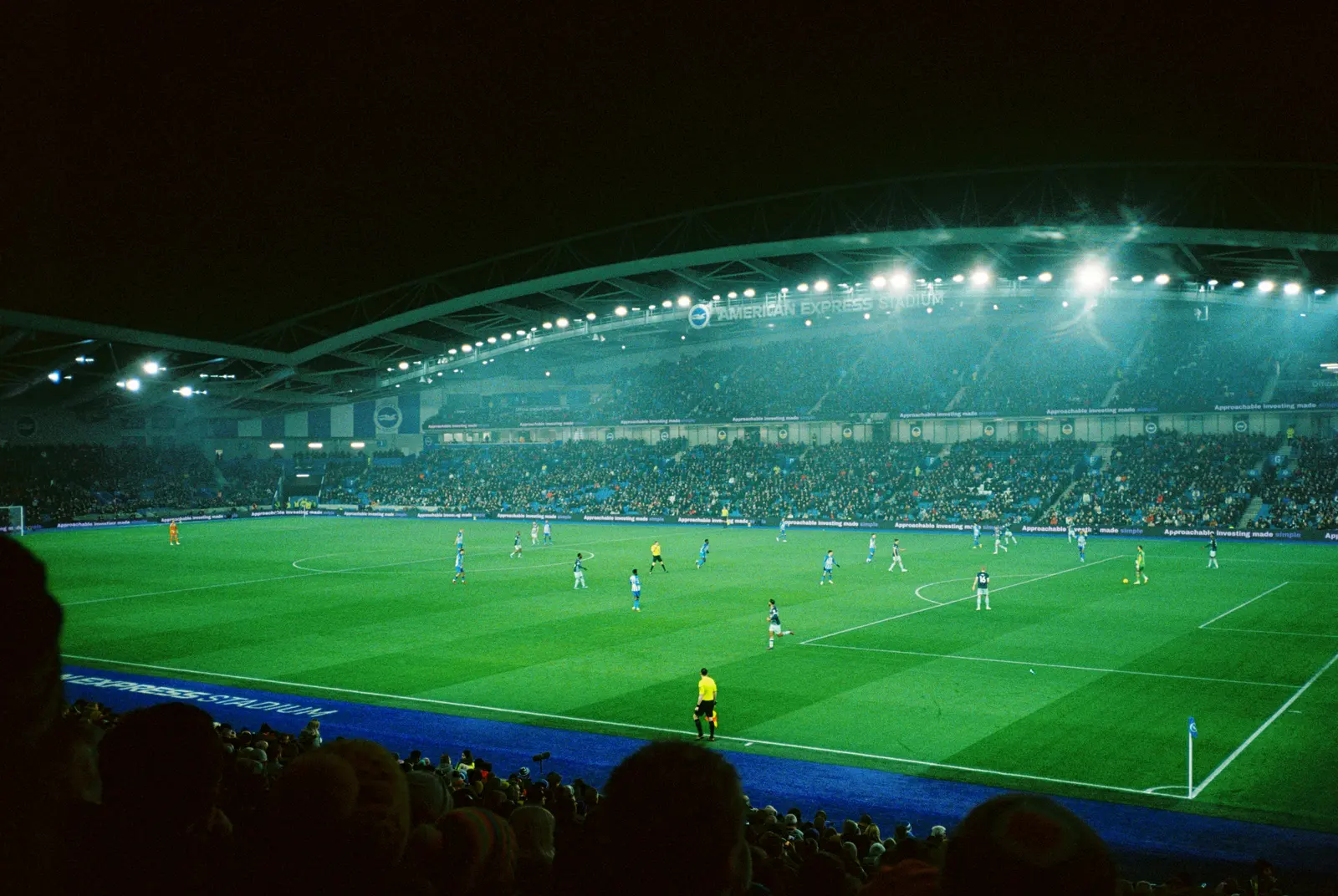
A sportsbook takes bets during a live match.
- Harbor City and Northgate, 0–0. Harbor City to win is +240: a $100 bet wins $240.
- The trading team sets the prices. An odds pipeline carries every price change to a cache, which serves the apps.
- When a bet comes in, bet acceptance checks that cache: is the market open, and is this still the price?
- fan$10@ +240Accepted
- fan$25@ +240Accepted
Illustrative scenario. Timings show the shape of the problem, not a measurement of any one company.
Watch the walkthrough
Your stack today, and with the Tacnode Context Lake™
Today
Most sportsbooks move a suspension the same way they move a price: the trading system publishes it to a pipeline, and a cache serves it to the app and to bet acceptance. That path was built to fan prices out to millions of screens, where a few seconds of delay is acceptable. Bet acceptance needs the suspension the moment it is decided. After a goal the pipeline carries its heaviest load, and anyone with a faster feed than the cache can bet on a price that no longer matches the match.
With the Tacnode Context Lake™
- The decision and the bets are in one placeThe trading team writes the suspension where bet acceptance reads, instead of sending it down a pipeline built to fan prices out to screens.
- Bets are checked against current stateBet acceptance reads the latest committed state, not a cache waiting on the pipeline, so bets at the pre-goal price are rejected from the first second.
- Every accepted bet is written backLiability on each outcome includes every bet already accepted when the next one arrives.
Questions to ask your team
- 1How many seconds pass between a goal confirmed in your trading system and bet acceptance seeing the market suspended?
- 2Does bet acceptance read suspensions and liability from the same cache that serves odds to the app?
- 3How much do you pay out each season on bets accepted after a goal, a card or a point that should have closed the market?
More replays
All replays
Card issuing
False declines on newly issued virtual cards
A store card approved at checkout is declined on its first purchase, because the fraud check can’t yet tie it to the customer’s history.

AI customer support
Duplicate credits from concurrent AI agents
Three AI support agents each give one customer a goodwill credit, because each checks a synced copy of credits that hasn’t received the others yet.

Prediction markets
Read replicas that fall behind at peak
A prediction market moves its reads onto its failover replicas at the peak, the replicas fall behind and fail, and the site goes down.