
Incremental Materialized Views in Postgres, Explained
Materialized views in Postgres cache the result of a query so reads are fast — but standard REFRESH is brute force, re-scanning the entire base table every time. That falls apart as your data grows. Incremental refresh fixes it by recomputing only what changed. Tacnode supports it with a single option flag and the full Postgres query surface — joins, window functions, CTEs, subqueries — plus every DML operation.
Overview
An entry-level walkthrough of incremental materialized views: the failure mode of standard REFRESH at scale, how incremental refresh bounds the cost to what changed, and the syntactic + semantic surface Tacnode supports.
Topics Covered
- •Views vs. materialized views in Postgres — the speed/freshness trade-off
- •Why standard REFRESH MATERIALIZED VIEW breaks at scale
- •Incremental refresh: only the delta gets recomputed
- •Tacnode's WITH (refresh_mode='incremental') syntax
- •What works in a Tacnode IMV: row-level deltas, full SQL surface, every DML operation
Key Takeaways
- ✓Standard REFRESH cost scales with table size — staleness widens as data grows
- ✓Incremental refresh bounds cost to what actually changed
- ✓Tacnode IMVs are a one-option-flag addition to standard Postgres syntax
- ✓Joins, window functions, CTEs, subqueries, and all DML (insert/update/delete/truncate) propagate incrementally
More Product Demos
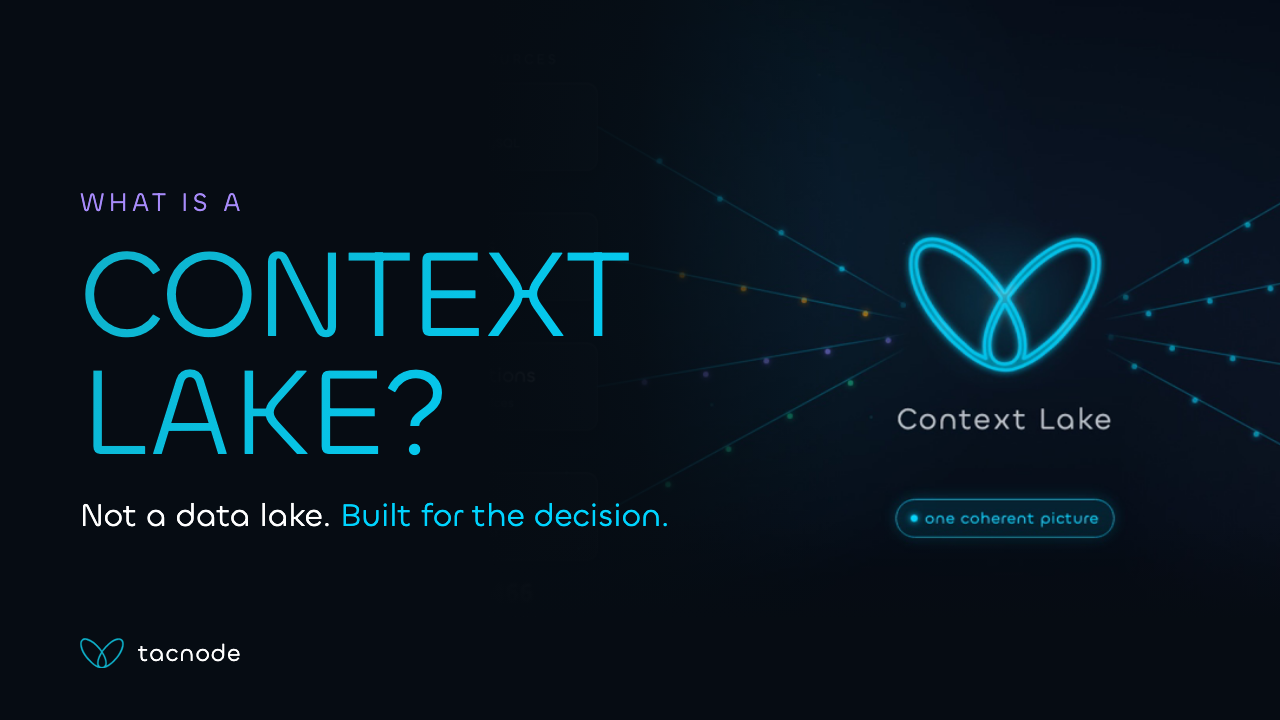
What Is a Context Lake? The Data Layer Behind Real-Time AI Decisions
A 3-minute explainer that builds the context lake as one diagram — where the data comes from, what it serves, and why the usual middle leaves decisions acting on a reality that has already moved.
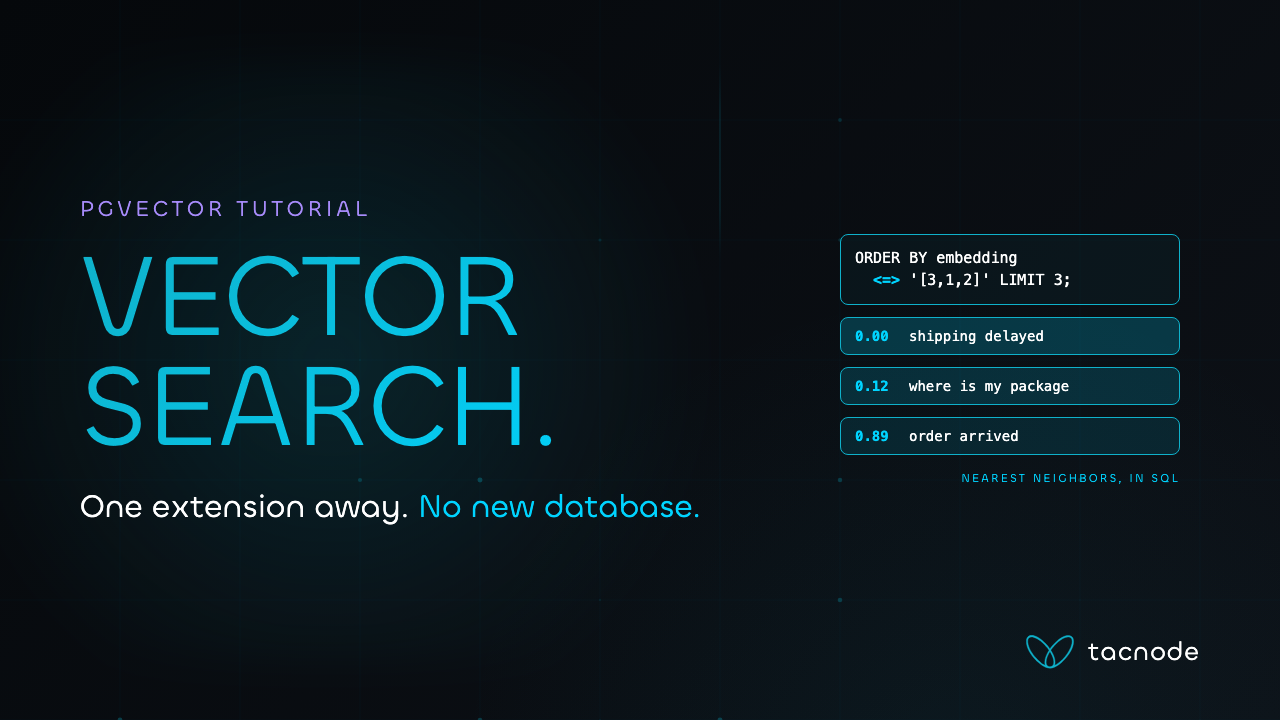
pgvector Tutorial: Vector Search in Postgres from Scratch
A 3-minute pgvector walkthrough — enable the extension, store embeddings, query nearest neighbors, and index with HNSW or IVFFlat, all in the Postgres you already run.
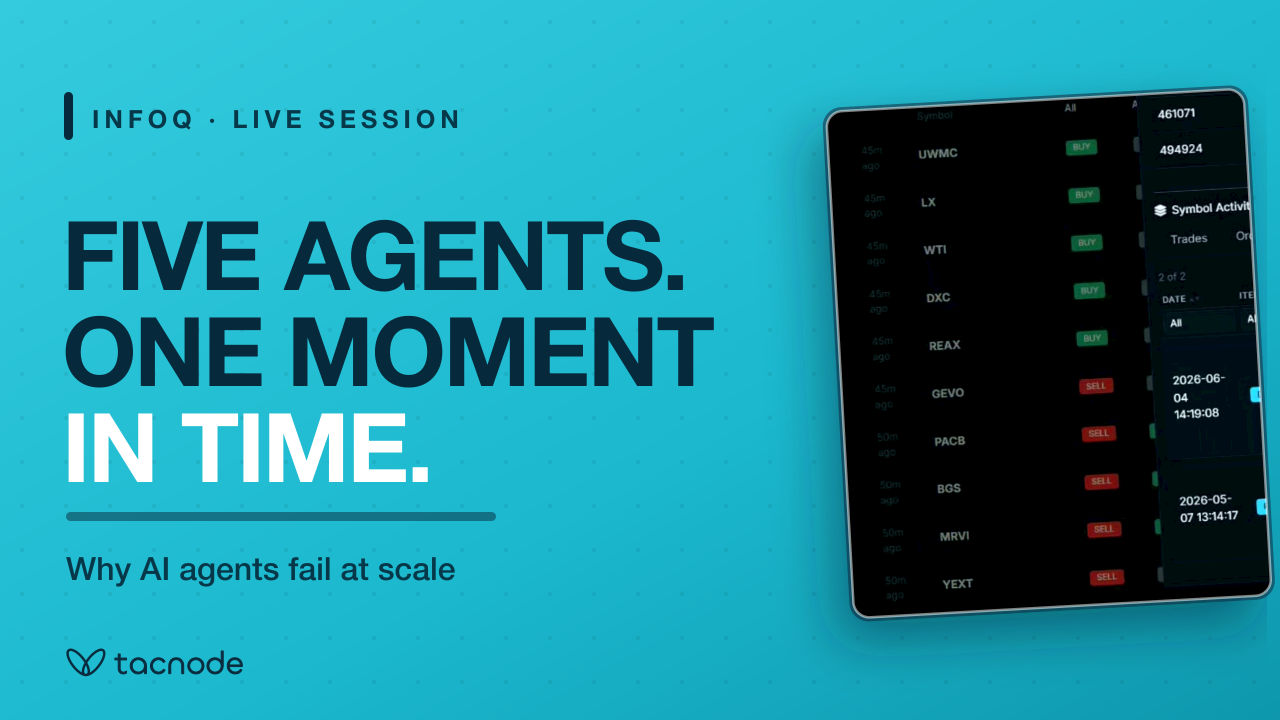
Why AI Agents Fail at Scale: Context Is a Data Layer Problem
A full InfoQ session on why agents that demo beautifully struggle in production — what "context" actually means, why agents read data differently than people, and what an agent-ready data layer has to do.
Ready to get started?
Book a demo to see how Tacnode can power your real-time data infrastructure.